
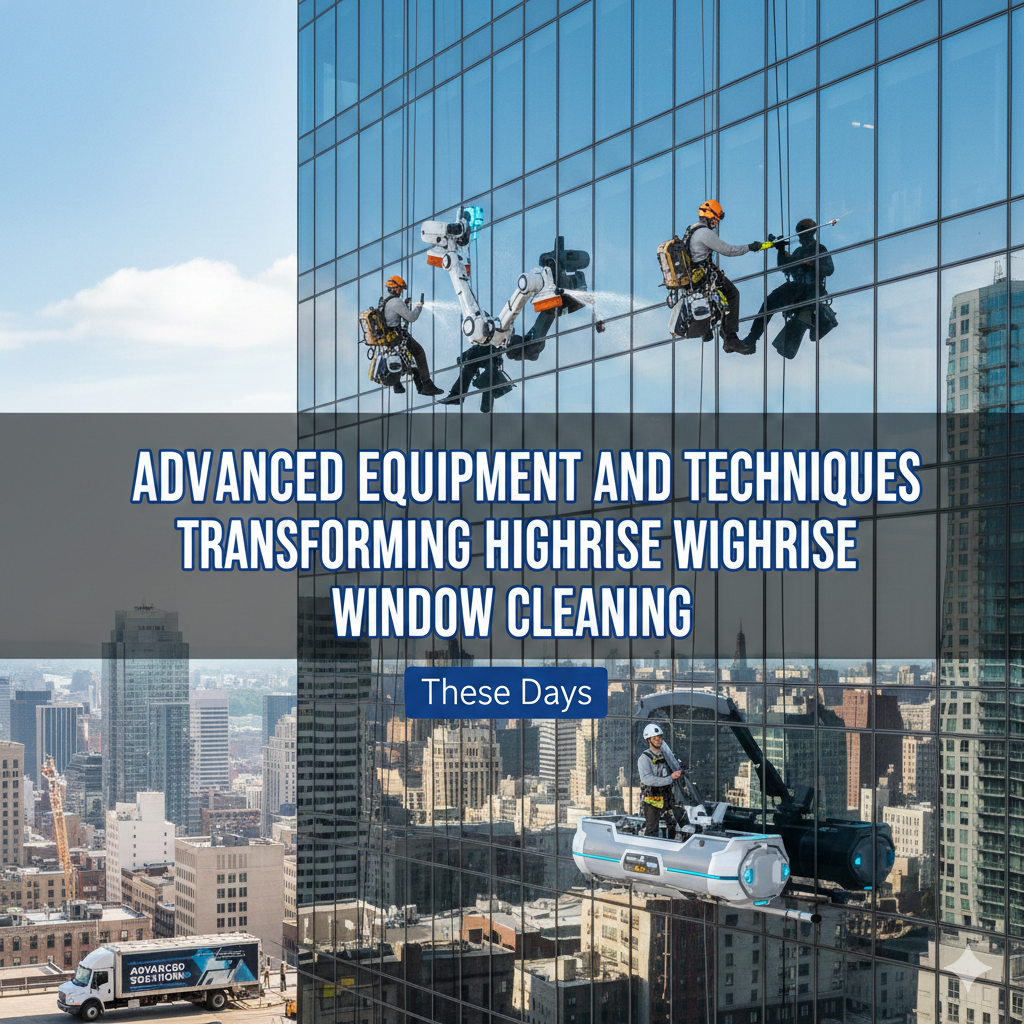
Highrise window cleaning has come a long way from the days of simple ropes, buckets, and squeegees. As Australia continues to see more modern towers rising across its cities, the demands of maintaining clear and spotless façades have grown. Today, the industry is being reshaped by advanced equipment, smart systems, and safety-focused innovations. These new technologies not only boost efficiency but also give property owners confidence that cleaning tasks can be completed with greater precision, consistency, and minimal environmental impact.
The Era of Automation
One of the biggest shifts in the industry is the rise of automated cleaning tools. Automated window-cleaning robots are now capable of navigating complex building designs with surprising accuracy. These machines use a combination of sensors, onboard cameras, and intelligent navigation software to move across glass surfaces. They attach using strong vacuum systems or magnetic plates, allowing them to stay firmly in place even in windy conditions.
What makes these robots truly transformative is their ability to work continuously without fatigue. They can access sections of a façade that were once considered high risk or time-consuming for human cleaners. For building owners and facility managers, this translates to faster turnaround times and fewer interruptions for occupants.
Drone Integration for Safer Access
Drones have also become valuable assets in the industry of highrise window cleaning, particularly for pre-cleaning assessments. Equipped with high-resolution cameras, they can survey façades for structural issues, loose panels, or areas requiring special attention. This replaces the need for workers to initially approach dangerous sections of a building.
Specialised drones fitted with spray systems can even carry out cleaning tasks on hard-to-reach areas. Instead of sending workers into awkward positions, drones deliver water or cleaning solutions directly to the surface from a distance. This method is especially beneficial for buildings with irregular architecture or areas not easily accessible by rope access teams. For Australians living in coastal cities where salt residue builds up quickly, drone-assisted cleaning helps ensure façades stay clean while lowering safety risks.
Water-Fed Pole Systems for Mid-Rise Buildings
While cutting-edge technology is making headlines, some of the most effective advancements are surprisingly simple. Water-fed pole systems are a prime example. These telescopic poles allow cleaners to work safely from the ground or lower platforms by pumping purified water directly to the window surface. The use of deionised water eliminates the need for detergents and prevents streaks, which is particularly useful in sunny regions where residues can dry quickly.
This method reduces chemical use, protects surrounding landscaping, and provides a highly efficient option for mid-rise buildings. It has quickly become a preferred approach for commercial properties looking for sustainable yet effective solutions.
Smarter Safety Equipment Supporting Workers
Even with automation, human expertise remains essential. Rope access technicians and maintenance staff still carry out many cleaning tasks, especially on buildings with curved, angled, or uniquely shaped façades. What has changed in highrise window cleaning, however, is the level of safety technology supporting these workers.
Smart helmets are now used to monitor a cleaner’s location and physical condition in real time. These helmets can send alerts if a worker is fatigued, overheated, or in an unsafe position. GPS integration also ensures supervisors have constant visibility of where each person is positioned on the façade.
Advanced harnesses and rope systems have also evolved. Modern designs feature improved weight distribution to reduce strain on the back and shoulders. Automatic locking mechanisms ensure that if a slip occurs, the system responds instantly. Combined with dynamic ropes and self-braking descenders, these innovations significantly reduce the risk of falls and help cleaners maintain better control during operations.
Intelligent Planning Driven by Artificial Intelligence
Before any cleaning begins, planning is a critical step. Advanced artificial intelligence tools are helping technicians map out the safest and most efficient cleaning paths. By analysing building architecture, previous cleaning data, and environmental factors such as wind exposure or temperature changes, AI creates precise routes that minimise risk and maximise productivity.
This reduces the chance of human error, helps teams anticipate potential hazards, and ensures every section of the façade is covered thoroughly. It also allows facility teams to schedule cleaning during optimal conditions, improving the lifespan and appearance of the building’s exterior.
Rope Access Techniques Reinvented
Rope access remains one of the most relied-upon methods in the industry, particularly in Australia where many skyscrapers feature architectural elements that limit the use of machines. However, rope access today is far more refined than it once was.
Specialist training, stricter accreditation standards, and smarter rescue equipment have strengthened the reliability of this technique. Workers now use improved communication tools, advanced fall-prevention devices, and descent systems designed to lock automatically if tension changes unexpectedly. This combination of skill and technology enables technicians to complete detailed cleaning work with confidence and precision.
A Strong Push Toward Sustainability
Australians are increasingly concerned about environmental responsibility, and the cleaning industry has responded with new eco-friendly practices. Many modern systems operate without the need for chemicals. Deionised water, used by both robots and water-fed poles, leaves no streaks or residue and eliminates harmful runoff.
Electric-powered lifts, battery-operated robots, and drones with efficient rechargeable systems all contribute to reducing emissions. Sustainable logistics planning ensures teams spend less time travelling between sites, cutting fuel use and improving productivity.
The shift toward greener operations not only supports environmental goals but also appeals to businesses striving to meet sustainability standards.
Predictive and Data-Driven Maintenance
Smart technology is also helping building owners make better decisions about when and how often to clean. IoT sensors embedded in cleaning equipment track performance, detect wear, and indicate when maintenance is needed. This means tools remain in peak condition, reducing downtime and preventing unexpected breakdowns.
Data collected from sensors and AI platforms can also predict when certain sections of a façade are likely to need attention. Factors such as rainfall, dust storms, sea breezes, and pollution patterns can all influence cleaning schedules. By understanding these trends, property managers can plan more effectively, potentially reducing overall maintenance costs.
A Future Built on Efficiency, Safety, and Innovation
The transformation of the industry is not just about using advanced gear—it is about reshaping how cleaning teams work and how building maintenance is approached. From automation and drones to smart PPE and AI-guided planning, these innovations make operations quicker, safer, and more consistent.
For Australians living or working in modern high-rise environments, this evolution is essential. Well-maintained façades not only improve the visual appeal of cities but also contribute to the longevity and safety of buildings.
Ensure Your Building’s Care with Trusted Professionals
Townsend Cleaning Pty Ltd is your reliable choice when you need expert support to maintain spotless, professional premises. With decades of experience, we deliver thorough and dependable cleaning solutions tailored to each business. From detailed interior care to specialised high rise window cleaning in Melbourne, we handle it all using quality equipment, trained staff, and strict safety standards. With us, you can focus on your business while we ensure your workspace stays clean, polished, and welcoming every day.
Conclusion
Highrise window cleaning continues to advance as new technologies and smarter techniques take hold. With a strong focus on safety, sustainability, and efficiency, the industry is better equipped than ever to meet the expectations of modern Australian buildings. These innovations ensure that both workers and property owners benefit from a cleaner, safer, and more reliable approach to maintaining today’s impressive urban skylines, reinforcing the vital role of window cleaning in contemporary maintenance strategies.
Read our latest blog: Why High-Rise Window Cleaning Is Essential for Building Maintenance?
Frequently Asked Questions
1. What is highrise window cleaning?
Highrise window cleaning involves specialised methods and equipment to clean the windows of tall buildings safely and efficiently.
2. How is technology improving highrise window cleaning?
Automation, AI planning tools, drones, and smart safety gear now make cleaning faster, safer, and more precise.
3. Are automated window-cleaning robots reliable?
Yes. Modern robots use sensors, cameras, and intelligent navigation to deliver consistent and safe cleaning across large façades.
4. Why are drones used in window cleaning?
Drones help with inspections, hazard assessments, and cleaning hard-to-reach areas without placing workers at risk.
5. What makes water-fed pole systems eco-friendly?
They use purified water instead of chemicals, reducing environmental impact while preventing streaks.
6. Is rope access still necessary?
Yes. Rope access remains essential for complex façades and is now safer thanks to advanced harnesses and fall-prevention systems.
7. How do building owners benefit from these innovations?
They gain faster cleaning, reduced safety risks, improved sustainability, and more consistent façade maintenance.