
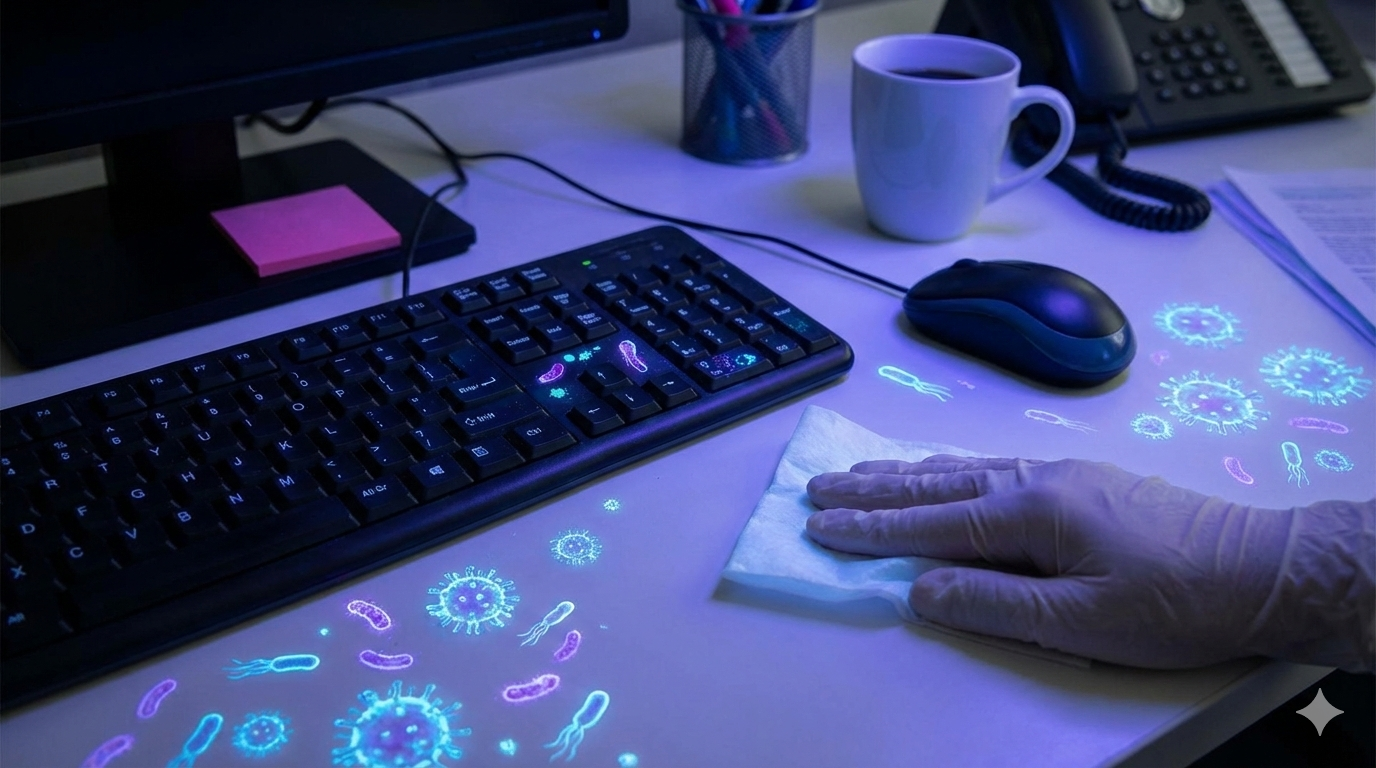
Many offices look clean. However, hidden germs can live everywhere. Desks, keyboards, and chairs often carry thousands of bacteria. These germs can make employees sick. They can also reduce focus and productivity. Furthermore, visitors can spread new germs without knowing. Even small offices are affected. Germs do not show themselves, but they impact health quietly. That is why proper office cleaning is essential. In addition, germs can linger on surfaces for hours or days. This makes regular cleaning important.
A simple wipe is often not enough. Therefore, workplaces must be cleaned systematically. The good news is that you can prevent most infections. By targeting hidden germs, offices stay healthier. You will also reduce sick days and improve employee performance. Moreover, a clean office creates a better first impression. Clients, visitors, and employees feel safer. With simple habits and proper office cleaning, your workspace can stay fresh. Finally, this blog will reveal common germ hotspots and show effective ways to remove them.
How Germs Spread in Modern Workspaces
Germs spread quickly in offices. Shared desks and chairs are prime spots. Employees touch keyboards, phones, and office equipment daily. Furthermore, central air systems can carry germs through the office. They reach areas that look clean. In addition, eating at desks can increase bacteria. Crumbs and spills provide a perfect environment for germs. Even small items like pens or mugs carry bacteria. Visitors and hybrid workers bring new germs from outside. Moreover, meeting rooms and conference tables are high-risk areas.
Without proper office cleaning, germs multiply silently. Germs also survive on carpets and upholstery. Dust can hide bacteria for weeks. Therefore, offices need frequent cleaning routines. Using disinfectants on high-touch surfaces reduces the risk. Employees must also wash hands regularly. In addition, shared kitchen areas need attention. By understanding how germs spread, businesses can prevent contamination. Proper cleaning is the first step to creating a safe workplace.
Desks and Workstations: Everyday Germ Hotspots
Desks are the most used surfaces. Keyboards, mice, and phone receivers hold thousands of germs. Chair arms and desktops also carry bacteria. Employees often eat or drink at desks. This increases germs further. In addition, personal items like mugs, bags, and phones can transfer bacteria. Regular cleaning is often skipped, which allows germs to multiply. Furthermore, clutter prevents proper disinfection. A simple wipe does not reach all areas. That is why proper cleaning routines matter.
Using disinfectant wipes daily can reduce germs effectively. Employees should also clean personal items regularly. A cleaner desk helps improve focus and productivity. Furthermore, it creates a healthier work environment. Even small steps make a big difference. For high-touch items, frequent disinfection is essential. By focusing on desks and workstations, s can reduce most germ exposure. A cleaner environment keeps employees safe and confident. Moreover, it encourages good hygiene habits in the office.
Break Rooms and Kitchens: Germs Where You Eat
Break rooms and kitchens are major germ hotspots. Fridge handles, taps, and microwave buttons carry bacteria. Coffee machines and water dispensers can spread germs if not cleaned. In addition, shared dishes and utensils increase contamination risks. Crumbs and spills create a breeding ground for bacteria. Furthermore, employees often skip cleaning after use. This makes the area unsafe over time. Proper office cleaning in kitchens is essential. Wiping counters, sinks, and appliances daily can reduce germs.
In addition, using separate cleaning cloths prevents cross-contamination. Encouraging employees to wash hands before and after meals helps too. Proper storage of food also reduces bacteria growth. Moreover, scheduled deep cleaning of appliances ensures long-term hygiene. By focusing on these areas, offices can prevent the spread of germs. Clean kitchens and break rooms make employees feel safe. Furthermore, they promote a professional and healthy work environment. A cleaner space encourages everyone to follow hygiene rules.
Toilets and Washrooms: The Most Overlooked Areas
Washrooms are full of germs. Flush buttons, taps, and soap dispensers carry bacteria. Door handles are also high-touch areas. In addition, toilets and sinks need regular disinfection. Many offices clean washrooms superficially. However, germs hide in corners and behind fixtures. Proper office cleaning ensures all areas are disinfected. Using commercial disinfectants reduces infection risks. Furthermore, cleaning floors and mirrors maintains hygiene. Restocking soap and paper products prevents cross-contamination.
Employees also contribute by washing hands thoroughly. Proper washroom hygiene is critical for workplace health. Germs in toilets can spread to desks and equipment. Therefore, a clean washroom protects the entire office. Regular checks and cleaning schedules are necessary. Moreover, using trained office cleaners guarantees consistent results. A safe and clean washroom reflects professionalism. Employees feel comfortable, and visitors get a good impression. In addition, it reduces sickness and improves productivity.
Shared Office Equipment and High-Touch Points
Printers, photocopiers, and scanners are often overlooked. Light switches, doors, and remotes are touched constantly. These areas collect bacteria quickly. In addition, employees rarely disinfect them. Shared office equipment can spread germs silently. Proper office cleaning is crucial in these zones. Wiping machines and handles several times a day reduces contamination. Using disinfectant sprays or wipes is effective.
Furthermore, organizing office tools helps prevent clutter and germs. Training staff to clean after use also helps. Even small steps make a difference. Moreover, disinfecting shared technology ensures everyone stays safe. A cleaner environment also boosts confidence. Offices with consistent cleaning routines have lower absenteeism. Furthermore, professional office cleaners can maintain high hygiene standards. By focusing on high-touch points, businesses can stop germ spread. This simple habit protects employees and visitors alike.
Carpets, Upholstery, and Reception Areas
Carpets and upholstery hide germs and allergens. Dust mites, dirt, and bacteria settle deep in fibres. Reception areas are also high-risk because of visitor traffic. Door handles, sign-in tablets, and seating surfaces accumulate germs. Proper office cleaning ensures these areas are safe. Vacuuming alone is not enough. Steam cleaning or professional methods remove deep-seated bacteria. In addition, regular disinfection of reception surfaces prevents contamination. A cleaner reception creates a positive first impression.
Furthermore, staff and visitors feel safer in a hygienic environment. Consistent cleaning reduces the risk of illness spreading in the office. Even small offices benefit from regular carpet and upholstery cleaning. A clean floor improves air quality and reduces allergens. Moreover, proper maintenance extends the life of furniture and carpets. A tidy reception reflects a professional and caring business.
Health and Productivity Risks of Hidden Office Germs
Hidden germs affect both health and performance. Sick employees lead to increased absenteeism. Flu, colds, and stomach bugs spread quickly. Furthermore, allergens and dust reduce concentration. Poor air quality can cause headaches and fatigue. In addition, a dirty office lowers morale. Employees feel undervalued and less motivated. Productivity suffers when staff are sick or distracted.
Moreover, businesses face financial losses from delayed work. Frequent illnesses can disrupt projects and operations. Proper office cleaning reduces these risks. Regular hygiene keeps employees healthy and focused. Furthermore, it builds confidence among staff and visitors. Healthy employees work better and stay longer in the office. A clean environment promotes teamwork and efficiency. By addressing hidden germs, businesses create a safe and productive workspace.
Effective Ways to Eliminate Hidden Germs
Daily cleaning routines are essential. Desks, keyboards, and shared items must be wiped regularly. High-touch surfaces like doors, switches, and printers need frequent disinfection. In addition, kitchens and break rooms require daily attention. Sinks, counters, and appliances must be cleaned. Proper storage of food and washing hands helps too. Deep cleaning is also important. Carpets, upholstery, vents, and blinds hold germs for weeks. Using steam cleaning and professional tools removes bacteria effectively. Air quality should be maintained by cleaning filters and using air purifiers.
Furthermore, staff hygiene habits are key. Hand sanitizers, clean desk policies, and proper etiquette reduce contamination. Professional services provide consistent results. Hiring a cleaner for office ensures thorough cleaning. Many offers trained teams that follow hygiene standards. Their expertise guarantees safe and healthy workplaces. Regular professional cleaning complements daily routines. By combining these strategies, offices stay germ-free. Employees feel safer, and productivity improves. Proper office cleaning is not just about looks. It is about creating a healthier, more efficient work environment.
Final Thoughts
Hidden germs can quietly affect health, morale, and productivity. Even offices that appear tidy may carry bacteria on desks, equipment, and carpets. Regular cleaning routines and good hygiene habits help reduce these risks. Paying attention to high-touch areas like keyboards, door handles, kitchens, and washrooms is important. Deep cleaning periodically ensures germs do not build up over time. Proper office maintenance creates a safer and more comfortable workspace for everyone. Working with professionals, such as Townsend Cleaning, can help establish consistent cleaning routines and maintain hygiene standards. By taking simple steps and planning regular cleaning, offices can protect employees and create a healthier environment for daily work.
FAQs
1. Why is office cleaning important?
Proper office cleaning reduces germs that can make employees sick. It improves focus, morale, and workplace productivity. Clean offices also create a better impression for visitors.
2. Which areas in an office have the most germs?
High-touch areas like desks, keyboards, phones, door handles, kitchen counters, and washrooms often carry the most germs. Carpets and upholstery can also trap bacteria.
3. How often should offices be cleaned?
Daily cleaning for desks, kitchens, and high-touch surfaces is ideal. Deep cleaning for carpets, upholstery, and vents should be scheduled periodically to remove hidden germs.
4. Can staff help reduce germs at work?
Yes. Employees can wipe personal items, wash hands regularly, and follow clean desk habits. Avoid eating at desks and maintain hygiene in shared areas.
5. Should offices hire professional cleaning services?
Professional office cleaners can ensure thorough and consistent cleaning. They help maintain hygiene standards and keep the office safer and healthier for everyone.