March 11, 2026

Office Cleaning Near Me: Daily, Weekly, or After-Hours Services – Which Is Right for Your Business?

Share this article:

Keeping a workplace clean is an ongoing need for any organisation, regardless of size or industry. People come in and out throughout the day, equipment is shared, and surfaces are touched constantly. Over time, dirt, dust, and germs build up, even if the office seems tidy at first glance. This is why many businesses look for office cleaning companies near me to take care of regular cleaning tasks in a professional and consistent way.


When you start exploring cleaning options, you will notice that most companies offer daily, weekly, or after-hours cleaning services. Each of these schedules can suit different workplaces depending on the number of employees, the layout, the type of work being done, and the general flow of the space. The challenge is deciding which one is right for your own workplace.


This guide takes a practical look at each option. It explains what daily, weekly, and after-hours services involve, who they suit, and what you might consider before making a decision. The aim is to help you choose a cleaning routine that fits naturally into how your business operates.

Understanding Your Workplace Needs


Before looking at specific cleaning schedules, it helps to take a step back and understand how your workplace functions. Not all offices are the same. Some have constant foot traffic. Others may have a small team that works quietly with minimal movement. Some workplaces host clients every day, while others rarely have visitors.


The following factors can help shape your decision:


  1. Number of staff
    More people usually means more cleaning is needed. Larger teams use facilities more often, create more foot traffic, and touch shared items regularly.
  2. Type of work
    A creative workspace with shared stations or equipment has different needs compared to a quiet administrative office. Spaces where food preparation or handling occurs also require more attention.
  3. Layout
    Open-plan areas, meeting rooms, kitchens, and reception spaces each have different levels of use. The more zones you have, the more cleaning support you may need.
  4. Daily activity
    High activity often leads to faster build-up of dust, rubbish, and general mess. Workplaces that run multiple shifts or extended hours may need more frequent cleaning.
  5. Health and hygiene standards
    Businesses that operate in healthcare, education, or similar industries often require consistent cleaning as part of their compliance obligations.


Once you understand how your space is used, it becomes easier to choose the cleaning frequency that supports your staff and daily routines.

What Daily Office Cleaning Provides


Daily cleaning is common in larger workplaces or environments that require ongoing attention to hygiene. It involves a cleaning team visiting your premises every day, usually outside standard working hours.


Daily cleaning often includes:


  • Emptying bins
  • Wiping desks and surfaces
  • Cleaning and disinfecting kitchens and break rooms
  • Cleaning toilets and restocking supplies
  • Vacuuming and mopping floors
  • Maintaining reception and common areas


It is a routine that keeps the workplace in good condition throughout the week. It prevents mess from building up and ensures staff arrive each morning to a clean and organised environment.

Who Daily Cleaning Suits


Daily office cleaning is usually best for workplaces with:


  • Large teams
  • High foot traffic
  • Staff working multiple shifts
  • Shared equipment and desks
  • Regular client visits
  • A focus on hygiene and presentation


Healthcare facilities, busy corporate offices, legal firms, and educational centres often choose daily cleaning because it supports the level of activity and expectations within their space.

Benefits of Daily Cleaning


Daily cleaning helps maintain consistent cleanliness without relying on staff to manage it themselves. This can support wellbeing, reduce distractions, and contribute to a healthier environment. It also helps prevent the gradual build-up of dust and grime that can be harder to remove later.

Benefits of Weekly Cleaning


Weekly cleaning is a cost-effective option that still maintains essential cleanliness. It provides a structured routine without interrupting daily operations. For stable, quiet workplaces, this schedule can balance practicality with ongoing upkeep.


What After Hours Cleaning Provides


'After hours cleaning' refers to services that take place outside normal working times, such as evenings, early mornings, or weekends. It allows cleaners to work without being in the way of staff or visitors.


Most office cleaning companies near me offer after-hours options because it is often the most convenient for businesses. Cleaners can access all areas safely, move freely, and complete tasks efficiently.


Who After Hours Cleaning Suits


After-hours cleaning works for almost every workplace, including:


  • Offices with tight schedules
  • Workplaces that run back-to-back meetings
  • Areas where cleaning during the day would disrupt work
  • Offices with confidential information or privacy needs


It is common in professional settings, education, co-working spaces, and healthcare environments.


Benefits of After-Hours Cleaning


The main benefit is convenience. Staff arrive to a clean office each day without any interruption to their work. Cleaners can also complete deeper tasks when the space is empty, such as floor care or detailed sanitising.


When searching for office cleaning companies near me, you may find that many providers offer flexible cleaning options. This gives you the freedom to start with one schedule and adjust it as your workplace evolves.


Additional Services to Consider


Alongside daily or weekly cleaning routines, some workplaces also require occasional services that are not part of regular cleaning. These may include:


  • Carpet steam cleaning
  • Window cleaning
  • Floor polishing
  • Deep cleaning after renovations or events
  • High touchpoint sanitising during flu seasons


You can usually add these as needed, without committing to a long term schedule.

Ready for a cleaner work environment?

Book a no-obligation site walkthrough and tailored cleaning quote for your office or clinic today.

You may also be interested in...
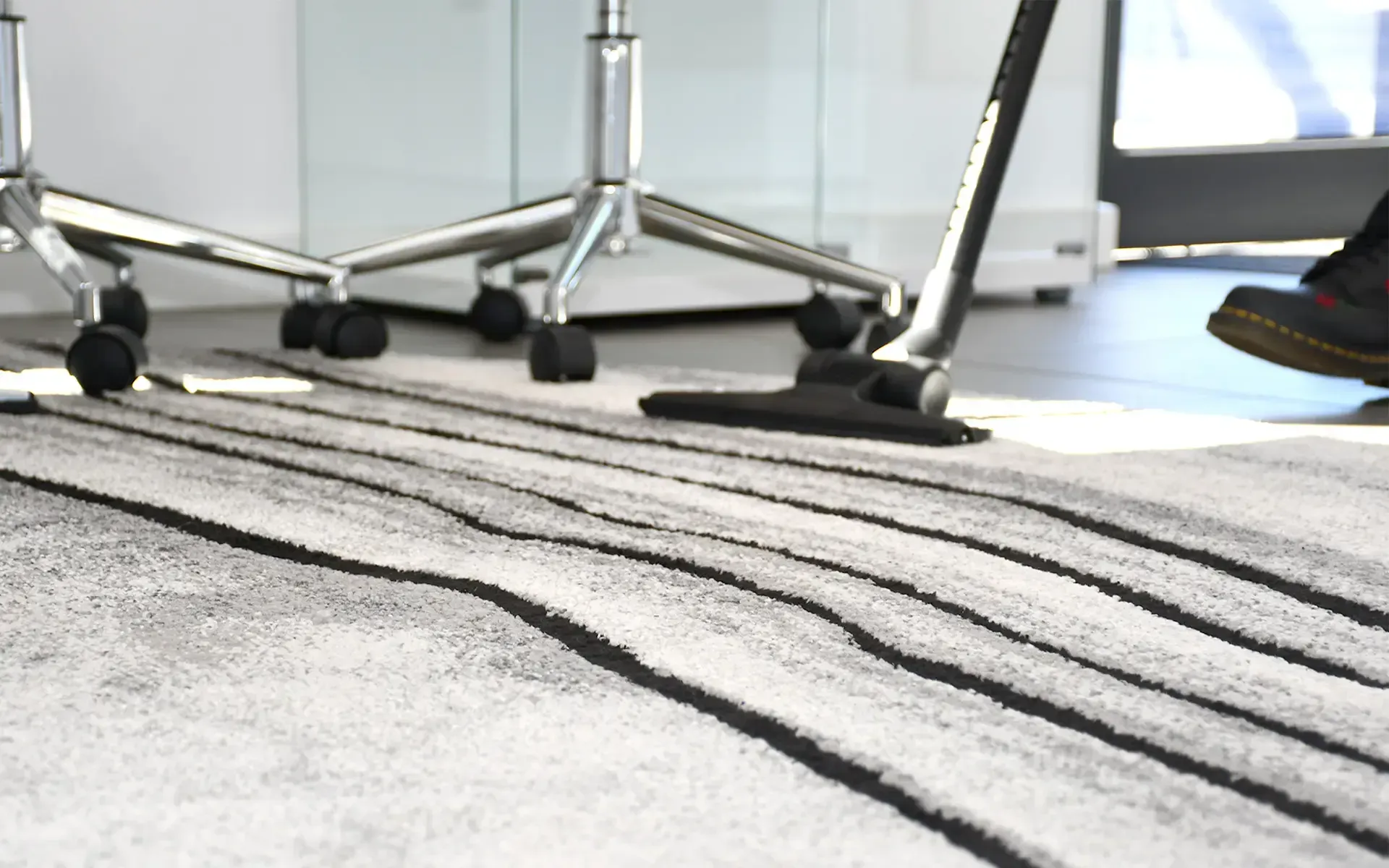
Commercial Carpet Cleaners in Geelong
March 11, 2026
When facility managers, office owners, or property managers search for the best method to clean carpets in commercial settings, one method consistently stands out: carpet steam cleaning. At Townsend Cleaning, we specialize in commercial-grade carpet cleaning. In this article, we explain - clearly, factually, and from real experience - why steam cleaning is safest, most effective, and ultimately the best choice for commercial carpet care. What “Safe” Really Means in Commercial Carpet Maintenance In a commercial environment—offices, retail stores, hotels, medical centres, and more—“safe” does not only mean non-slip or non-toxic. It means: Protecting your carpet investment (avoiding fibre damage) Removing pathogens, allergens, and contaminants Minimizing business disruption (fast drying, low residue) Avoiding chemical exposure for employees and visitors Over the years, we at Townsend Cleaning have evaluated every carpet cleaning method available—dry encapsulation, bonnet cleaning, shampooing, low-moisture systems—and time after time, steam cleaning, also known as hot water extraction, proves to be the safest and most reliable in commercial contexts. What Is “Steam Cleaning” in Carpet Cleaning Before we compare, let’s define the method. Steam cleaning in the carpet industry is often a colloquial term for hot water extraction, where superheated water is injected under high pressure into carpet fibres, then immediately extracted. The “steam” is a shorthand—sometimes vapor is involved, but the method relies on heat, moisture, and suction to lift contaminants. This approach contrasts with dry-foam methods or encapsulation, which rely on chemical agents with minimal moisture. Core Reasons Why Steam Cleaning Is Safer for Commercial Carpets Below are the main reasons we assert that carpet steam cleaning is the safest method for commercial environments: 1. Deep and Penetrating Cleaning Without Residue Because steam cleaning injects hot water and then extracts it, it leaves very little detergent residue behind. In comparison, some chemical-based methods may trap residues that act like magnets, reattracting soil later. In the long term, residue buildup shortens carpet life. 2. High Temperature Kills Pathogens Steam cleaning uses water heated to temperatures well above 60°C (often 80–100°C) under pressure. That heat kills bacteria, viruses, mould spores, dust mites, and many common pathogens. This is a critical factor in spaces like hospitals, clinics, or any facility that cares about hygiene. 3. No Harsh Chemicals, Less Risk of Off-Gassing Because steam relies on water and pressure, the need for harsh detergents decreases. For commercial spaces, avoiding strong chemical agents is safer for air quality, for people with sensitivities, and for compliance with environmental or health regulations. 4. Excellent Allergen and Dust Removal Commercial carpet often acts like a filter for airborne particles—dust, pollen, mold spores, dander settle deep. The high-pressure injection and extraction process pulls contaminant particles out of the carpet’s depths, improving indoor air quality noticeably. 5. Preserves Carpet Fiber & Appearance When done properly by professionals, steam cleaning opens up the carpet pile, removes embedded grit and soil, and supports fibre health. That means your carpets retain colour, texture, and lifespan. In contrast, aggressive or improper chemical methods can weaken fibres or fade dyes over time. 6. Faster Drying, Lower Business Disruption Professional equipment often includes strong vacuum extraction and dehumidifiers to speed drying. In many commercial settings, carpets can be ready in a few hours. Faster drying means less chance of mould, mildew, and less downtime for your space. 7. Proven Track Record in Commercial Settings Across industries—offices, hospitality, medical, retail—commercial steam cleaning is used because it balances effectiveness with safety. Many cleaning firms, including ours, prefer it for consistency, reliability, and minimal liability risk. (See “benefits for workplaces” from sources like ROC Commercial Cleaning). Thus, for facility managers or decision makers seeking maximum safety, steam cleaning is a logical default. Does it cost more? Steam cleaning typically has higher equipment and labour costs than the most basic cleaning. But because it extends carpet life, reduces the need for frequent spot fixing, and avoids health complaints, the total cost is often lower over time. For commercial settings, steam cleaning offers the best balance of safety, cleanliness, and long-term value. Cost Considerations: Price of Carpet Cleaning Service When a facility manager seeks an estimate, they often want to know the price of the carpet cleaning service and the carpet cleaning service cost. Here are the key factors that influence cost in a commercial environment: Square Metres / Area Size: Larger areas require more time, equipment, and materials. Traffic Level and Soil Load: Heavily trafficked or neglected carpets require more pretreatment, more passes, and more drying. Carpet Construction & Material: High-end carpets, heavy pile, delicate fibres, or special finishes may need extra care or customization. Stain Removal / Spot Treatment: Removing deep stains (ink, oil, mould) may add extra charges. Furniture Moving / Obstacles: If items must be moved, that labour cost is sometimes added. Drying / Dehumidification Demand: In humid climates or enclosed buildings, extra drying equipment might be needed. Service Frequency / Contract Terms: Regular contracts often offer discounts per job compared to one-off cleans. The price of carpet cleaning service should always come with an itemized quote so you know what you’re getting (i.e. base cleaning, stain treatment, drying, etc.). At Townsend Cleaning, we provide transparent quotes. We assess your space, discuss soil conditions and traffic, and propose a clear scope. That ensures you are not hit with hidden fees after the job. Real-World Benefits: What Clients See & Feel When clients choose professional carpet steam cleaning, they consistently report: Brighter, fresher carpet appearance Better indoor air quality and fewer allergy complaints Longer lifespan of carpet assets Shorter downtime; minimal disruption to operations Peace of mind about hygiene and safety We’ve handled projects in large office towers, medical facilities, and retail complexes. In every case, steam cleaning has delivered predictable results with minimal risk. Because our methods leave no harmful residues or chemical smells, staff and guests can walk on carpets within hours with confidence. Best Practices to Ensure Safety & Quality Even though steam cleaning is safe in principle, execution matters. Here are some best practices we follow (and recommend any buyer verify): Use commercial-grade, regulated machines with adjustable pressure and temperature controls Calibrate heat so you don’t overdo it (avoid scorching) Ensure strong extraction to remove moisture Use air movers / dehumidifiers in enclosed or humid spaces Train technicians in spot treatment, fiber knowledge, safety protocols Perform post-inspection and guarantee satisfaction When these best practices are followed, steam cleaning becomes not just safe but optimal.
Medical and Allied Health Practice Cleaning Services
March 11, 2026
Cross contamination is one of the most consistent risks in any medical environment. It can occur through contact with contaminated surfaces, shared equipment, bodily fluids, or even movement between different areas of a clinic. While medical staff follow established infection control procedures, the role of medical centre cleaning services is just as important in reducing the likelihood of germs spreading within a facility. A clean environment supports patient wellbeing, protects staff, and contributes to consistent clinical outcomes. Medical centres are high traffic spaces and often deal with a mix of routine appointments and more complex cases. This makes structured and reliable cleaning essential. When cleaning is handled with care, cross contamination is less likely to occur, which helps maintain a safe and functional healthcare setting. Understanding Cross Contamination in Healthcare Facilities Cross contamination happens when harmful microbes move from one surface or area to another. In a medical setting this can involve: Surfaces that are touched frequently Equipment that is handled by different staff members Waiting rooms that cycle through large numbers of people Treatment rooms that require regular turnover Bathrooms and staff areas that are heavily used throughout the day Germs can remain on hard surfaces for long periods of time. Without thorough and consistent cleaning, they can transfer easily to hands, clothing, or medical instruments. This is why medical centre cleaning services focus heavily on structured processes rather than ad hoc routines. A predictable approach reduces the chance of missed areas and ensures that cleaning efforts support the infection control practices of the clinical team. Why Medical Centre Cleaning Requires a Specialist Approach Medical facilities cannot be cleaned in the same way as general commercial properties. The risks are higher and the expectations around hygiene are stricter. Surfaces need to be sanitised with suitable products, and cleaning staff must understand where contamination risks are more likely to occur. Some of the factors that make healthcare cleaning different include: The presence of bodily fluids Areas where vulnerable patients are treated Equipment that may come into contact with multiple people High turnaround periods between appointments Strict hygiene expectations set by health authorities Cleaning in this environment requires a clear system, proper training, and the ability to carry out work without disrupting clinical operations. Medical centre cleaning services are usually structured to work around patient schedules and practice hours so that the facility remains safe and usable at all times. High Touch Points and Their Role in Germ Transmission High touch points are the most common source of cross contamination. These include items and surfaces that are touched repeatedly by staff and patients. Examples include: Door handles Light switches Reception counters Armrests Examination beds Chairs in waiting rooms Handrails EFTPOS terminals Because these areas see frequent contact, the risk of germ transfer is higher. Regular cleaning with appropriate disinfectants reduces this risk. Scheduled cleaning sessions throughout the day, combined with end of day deep cleaning, help ensure that high touch points remain as safe as possible. When medical centre cleaning services create their plans, these areas are always prioritised. They play a direct role in limiting cross contamination within shared spaces. The Importance of Colour Coded Cleaning Systems Colour coding is one of the most effective ways to prevent cross contamination during the cleaning process. This involves assigning specific colours to cloths, mops, and buckets so that each colour is used only in a particular area. For example: One colour for bathrooms One colour for treatment rooms One colour for reception and office areas One colour for kitchenettes or staff rooms By keeping these tools separate, the risk of transferring germs from one zone to another is significantly reduced. Colour coding also helps cleaning staff remain aware of the correct procedures and assists in maintaining consistency across different shifts or cleaners. This approach has become standard practice across healthcare cleaning and is a central feature of professional medical centre cleaning services. The Role of Correct Disinfectants and Cleaning Products Not all cleaning products are suitable for medical settings. Some products may not kill the range of pathogens commonly found in healthcare facilities, while others may not be safe for surfaces or equipment used in clinical practice. Medical centre cleaning services generally use: Hospital grade disinfectants Products that meet local safety and hygiene standards Cleaning agents suitable for both routine and high risk tasks Using suitable products ensures that cleaning is not only thorough but also compliant with regulatory expectations. It also protects the longevity of equipment and surfaces, as harsh or unsuitable chemicals can cause damage over time. How Routine Cleaning Supports Infection Control Infection control relies on predictable routines. When cleaning is performed at the right times and in the right way, it strengthens the work carried out by clinical staff. A well managed cleaning schedule can include: Daily cleaning of all patient areas Spot cleaning throughout the day Deep cleaning during low traffic periods Regular sanitising of high touch points Scheduled waste removal Restocking of consumables Routine cleaning builds consistency. It ensures that the environment remains safe for both staff and patients, even during peak hours. Medical centre cleaning services are structured with this in mind. The focus is not simply to clean what is visible, but to reduce the risk of surface contamination that may not be obvious. Training and Awareness Among Cleaning Staff Medical cleaning requires skill and awareness. Cleaning staff must understand how germs spread, which areas require special attention, and how to use cleaning products safely. Training often covers topics such as: Infection control basics Correct handling of cleaning agents How to use colour coded systems How to manage clinical waste Personal protective equipment Working safely in environments where patients are present Well trained cleaners contribute directly to safe healthcare operations. Their work forms part of the wider infection control process that clinics rely on each day. Flexible Scheduling to Reduce Interference with Patient Care Medical centres often run on tight schedules, and cleaning needs to be carried out in a way that respects this. Many facilities require cleaning after hours, early in the morning, or between appointment windows. Flexibility helps maintain hygiene without causing delays or inconvenience to patients. Medical centre cleaning services are usually adapted to match the individual requirements of each practice. A busy GP clinic will have different cleaning needs compared to a specialist centre or a physiotherapy clinic. Tailored schedules help ensure that contamination risks are managed without interrupting daily operations.
Commercial Window Cleaning in Geelong
March 11, 2026
Clean windows do more than improve the look of a building. They have a practical impact on staff comfort and productivity.