The Role of Medical Centre Cleaning Services in Preventing Cross-Contamination
Cross contamination is one of the most consistent risks in any medical environment. It can occur through contact with contaminated surfaces, shared equipment, bodily fluids, or even movement between different areas of a clinic. While medical staff follow established infection control procedures, the role of medical centre cleaning services is just as important in reducing the likelihood of germs spreading within a facility.
A clean environment supports patient wellbeing, protects staff, and contributes to consistent clinical outcomes. Medical centres are high traffic spaces and often deal with a mix of routine appointments and more complex cases. This makes structured and reliable cleaning essential. When cleaning is handled with care, cross contamination is less likely to occur, which helps maintain a safe and functional healthcare setting.
Understanding Cross Contamination in Healthcare Facilities
Cross contamination happens when harmful microbes move from one surface or area to another. In a medical setting this can involve:
- Surfaces that are touched frequently
- Equipment that is handled by different staff members
- Waiting rooms that cycle through large numbers of people
- Treatment rooms that require regular turnover
- Bathrooms and staff areas that are heavily used throughout the day
Germs can remain on hard surfaces for long periods of time. Without thorough and consistent cleaning, they can transfer easily to hands, clothing, or medical instruments. This is why medical centre cleaning services focus heavily on structured processes rather than ad hoc routines. A predictable approach reduces the chance of missed areas and ensures that cleaning efforts support the infection control practices of the clinical team.
Why Medical Centre Cleaning Requires a Specialist Approach
Medical facilities cannot be cleaned in the same way as general commercial properties. The risks are higher and the expectations around hygiene are stricter. Surfaces need to be sanitised with suitable products, and cleaning staff must understand where contamination risks are more likely to occur.
Some of the factors that make healthcare cleaning different include:
- The presence of bodily fluids
- Areas where vulnerable patients are treated
- Equipment that may come into contact with multiple people
- High turnaround periods between appointments
- Strict hygiene expectations set by health authorities
Cleaning in this environment requires a clear system, proper training, and the ability to carry out work without disrupting clinical operations. Medical centre cleaning services are usually structured to work around patient schedules and practice hours so that the facility remains safe and usable at all times.
High Touch Points and Their Role in Germ Transmission
High touch points are the most common source of cross contamination. These include items and surfaces that are touched repeatedly by staff and patients. Examples include:
- Door handles
- Light switches
- Reception counters
- Armrests
- Examination beds
- Chairs in waiting rooms
- Handrails
- EFTPOS terminals
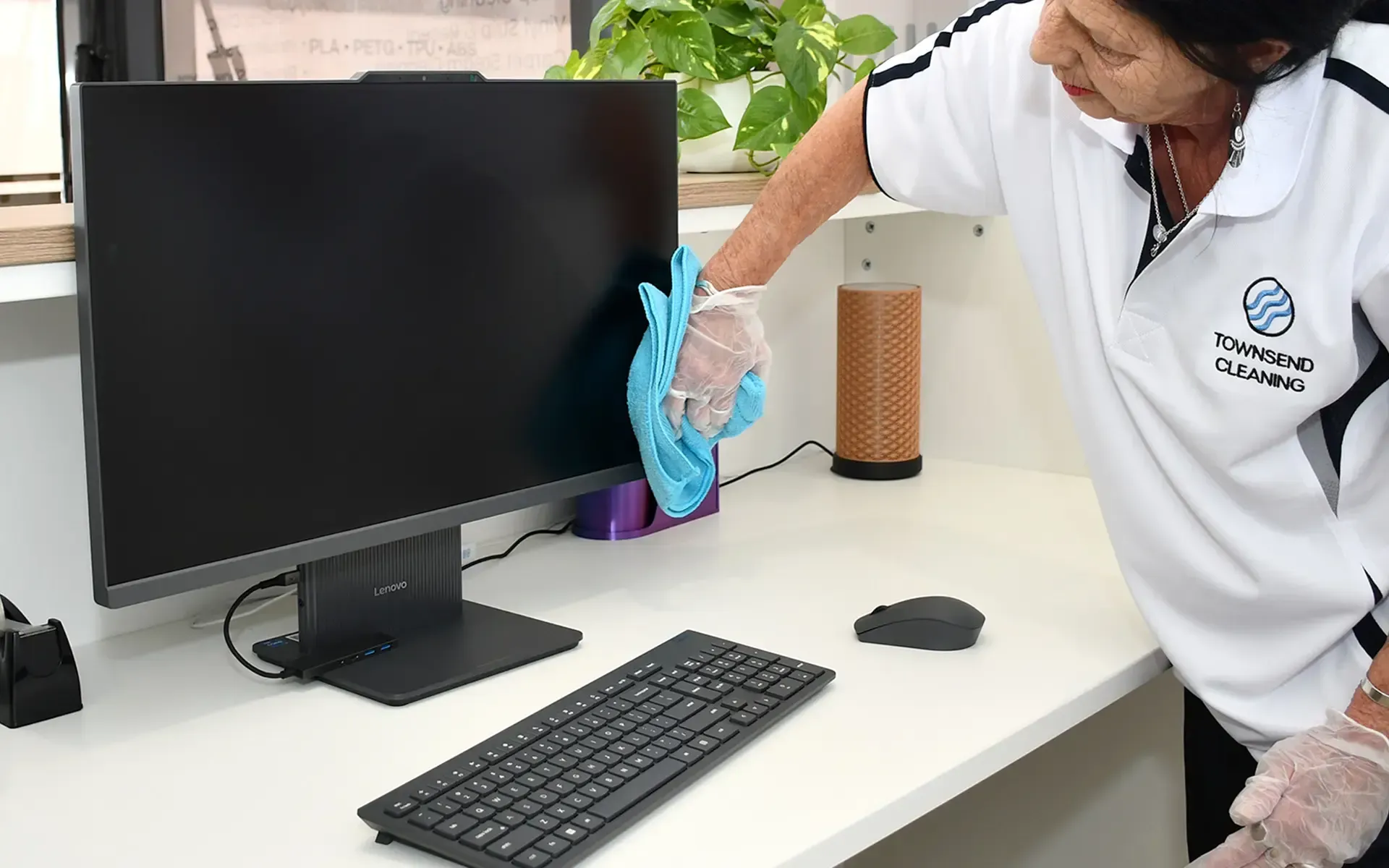
Because these areas see frequent contact, the risk of germ transfer is higher. Regular cleaning with appropriate disinfectants reduces this risk. Scheduled cleaning sessions throughout the day, combined with end of day deep cleaning, help ensure that high touch points remain as safe as possible.
When medical centre cleaning services create their plans, these areas are always prioritised. They play a direct role in limiting cross contamination within shared spaces.
The Importance of Colour Coded Cleaning Systems
Colour coding is one of the most effective ways to prevent cross contamination during the cleaning process. This involves assigning specific colours to cloths, mops, and buckets so that each colour is used only in a particular area.
For example:
- One colour for bathrooms
- One colour for treatment rooms
- One colour for reception and office areas
- One colour for kitchenettes or staff rooms
By keeping these tools separate, the risk of transferring germs from one zone to another is significantly reduced. Colour coding also helps cleaning staff remain aware of the correct procedures and assists in maintaining consistency across different shifts or cleaners.
This approach has become standard practice across healthcare cleaning and is a central feature of professional medical centre cleaning services.
The Role of Correct Disinfectants and Cleaning Products
Not all cleaning products are suitable for medical settings. Some products may not kill the range of pathogens commonly found in healthcare facilities, while others may not be safe for surfaces or equipment used in clinical practice.
Medical centre cleaning services generally use:
- Hospital grade disinfectants
- Products that meet local safety and hygiene standards
- Cleaning agents suitable for both routine and high risk tasks
Using suitable products ensures that cleaning is not only thorough but also compliant with regulatory expectations. It also protects the longevity of equipment and surfaces, as harsh or unsuitable chemicals can cause damage over time.
How Routine Cleaning Supports Infection Control
Infection control relies on predictable routines. When cleaning is performed at the right times and in the right way, it strengthens the work carried out by clinical staff. A well managed cleaning schedule can include:
- Daily cleaning of all patient areas
- Spot cleaning throughout the day
- Deep cleaning during low traffic periods
- Regular sanitising of high touch points
- Scheduled waste removal
- Restocking of consumables
Routine cleaning builds consistency. It ensures that the environment remains safe for both staff and patients, even during peak hours. Medical centre cleaning services are structured with this in mind. The focus is not simply to clean what is visible, but to reduce the risk of surface contamination that may not be obvious.
Training and Awareness Among Cleaning Staff
Medical cleaning requires skill and awareness. Cleaning staff must understand how germs spread, which areas require special attention, and how to use cleaning products safely. Training often covers topics such as:
- Infection control basics
- Correct handling of cleaning agents
- How to use colour coded systems
- How to manage clinical waste
- Personal protective equipment
- Working safely in environments where patients are present
- Well trained cleaners contribute directly to safe healthcare operations. Their work forms part of the wider infection control process that clinics rely on each day.
Flexible Scheduling to Reduce Interference with Patient Care
Medical centres often run on tight schedules, and cleaning needs to be carried out in a way that respects this. Many facilities require cleaning after hours, early in the morning, or between appointment windows. Flexibility helps maintain hygiene without causing delays or inconvenience to patients.
Medical centre cleaning services are usually adapted to match the individual requirements of each practice. A busy GP clinic will have different cleaning needs compared to a specialist centre or a physiotherapy clinic. Tailored schedules help ensure that contamination risks are managed without interrupting daily operations.
Ready for a cleaner work environment?
Book a no-obligation site walkthrough and tailored cleaning quote for your office or clinic today.
You may also be interested in...